


We support all your Statistical needs
We are a global firm providing statistical and data management support to individuals, companies, and institutions.
Global Statistical Consult is a team of dedicated experts committed to empowering both small- and large-scale businesses, as well as individuals, research, and healthcare institutions.
We specialize in leveraging advanced statistical techniques, rigorous study design, and cutting-edge data visualization solutions to help clients uncover patterns, solve complex problems, and make informed decisions.
Our expertise spans observational studies and clinical trial design, including protocol development, sample size estimation, and analysis planning.
By partnering with us, clients gain a competitive edge in data-intensive environments through hypothesis testing, predictive modeling, and identifying disparities in health and other key outcomes.

Timeliness

Innovative

Quality Deliverables

Collaborative
Featured Works

Adolescent tobacco use
Tobacco use remains a major global health threat, causing over 8 million deaths annually, including from secondhand smoke exposure. It affects all age groups, with many children and adolescents exposed or actively using tobacco, particularly in developing countries.
This project supported the implementation and evaluation of a school-based program aimed at preventing tobacco initiation among adolescents.
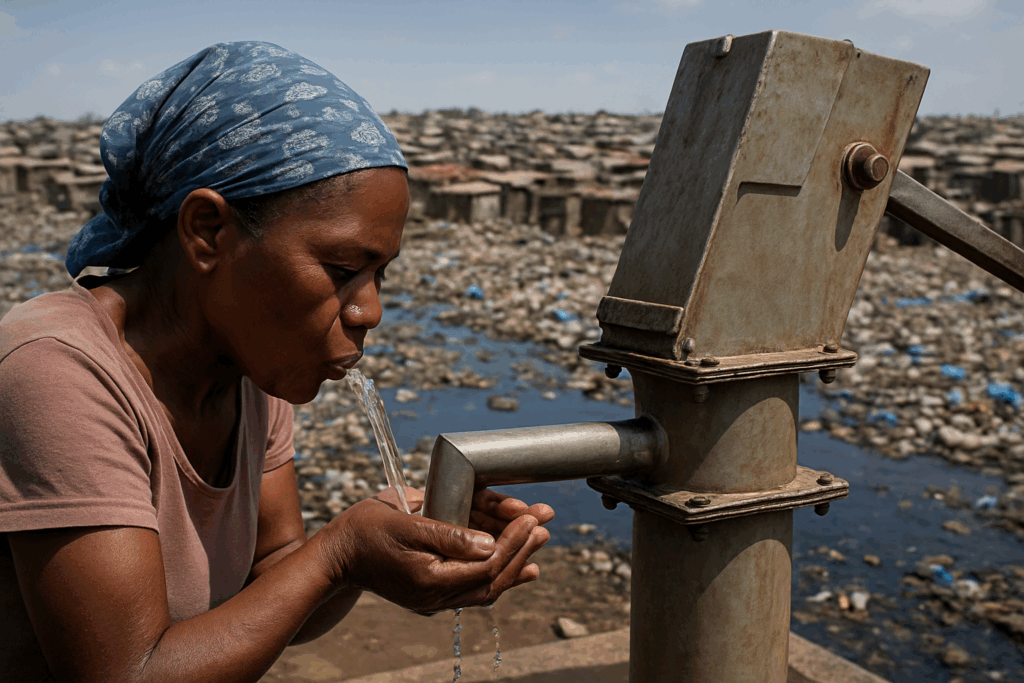
Disparities in access to sanitation
Access to safe drinking water and sanitation remains a major global challenge, with nearly 2 billion people using contaminated water and over half the world lacking adequate sanitation. Poor sanitation is linked to serious health outcomes, including diarrhoeal diseases, which cause hundreds of thousands of deaths each year.
In this project, we provided data analysis support to examine the use of unimproved water and sanitation and identify key factors driving these disparities.

Spatial distribution of low birth weight
Low birth weight (LBW) remains a major global health concern, particularly in low- and middle-income countries, and is linked to increased risk of mortality, morbidity, and long-term health complications. In Africa, the burden is especially high, with socioeconomic and demographic factors playing a key role.
In this project, we supported the design and implementation of a study to map the spatial distribution of LBW and identify its key determinants.

Nutritional status in children with Cerebral Palsy
Cerebral palsy is a leading cause of physical disability in children, and affected children are particularly vulnerable to malnutrition due to feeding difficulties, growth challenges, and increased metabolic demands. Undernutrition can further worsen physical and cognitive outcomes, creating a cycle of poor health.
In this project, we provided statistical support to a hospital to collate and analyze data, estimating the prevalence of undernutrition and identifying its key determinants among children with cerebral palsy.

Use of contraceptives among adolescents
Adolescent sexual and reproductive health in sub-Saharan Africa has improved in recent years, but the region still faces high rates of adolescent pregnancy and low contraceptive use compared to other parts of the world.
In this project, we provided statistical expertise to assess contraceptive knowledge and use, and to identify key determinants among sexually active unmarried young women.